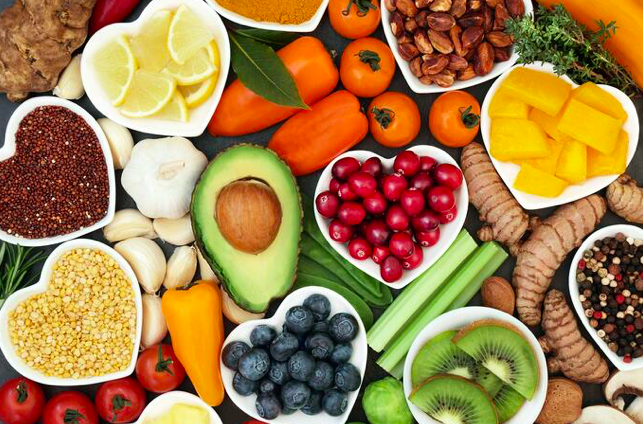
A lack of nutrient intakes is very common in the older adult population, it is especially apparent in older males. As many as 10% of older males obtain only one fifth (to one third) of the announced recommendations for many bodily requirements such as protein, zinc, calcium, vitamin E, thiamin, riboflavin, vitamin B6, and vitamin B12 (Drewnowski & Evans, 2001).
Due to lack of vitamins and nutrients the aging process can also be viewed as a contributor for the cause and effect of chronic diseases such as hypertension, diabetes, hyperlipidemia, and atherosclerosis.Among elderly adults, low nutrient intake of the diet and inadequate intakes of protein, vitamins, and minerals are the the largest areas of nutritional concern (Drewnowski & Evans, 2001) .Age is also shown to decrease intake of zinc (down by about one third in men) as well as intakes of vitamin E and calcium (which not only required for strong teeth and bones, but it is also vital for muscle contraction and energy metabolism)., vitamin E, and other nutrients.(Wakimoto & Block, 2001)
Due to lack of vitamins and nutrients the aging process can also be viewed as a contributor for the cause and effect of chronic diseases such as hypertension, diabetes, hyperlipidemia, and atherosclerosis.
A lack of nutrient intakes is especially apparent in older males. As many as 10% of older males obtain only one fifth (to one third) of the announced recommendations for many bodily requirements such as protein, zinc, calcium, vitamin E, thiamin, riboflavin, vitamin B6, and vitamin B12. (Wakimoto & Block, 2001)
Let’s make something together.
 Physiology and Nutrition